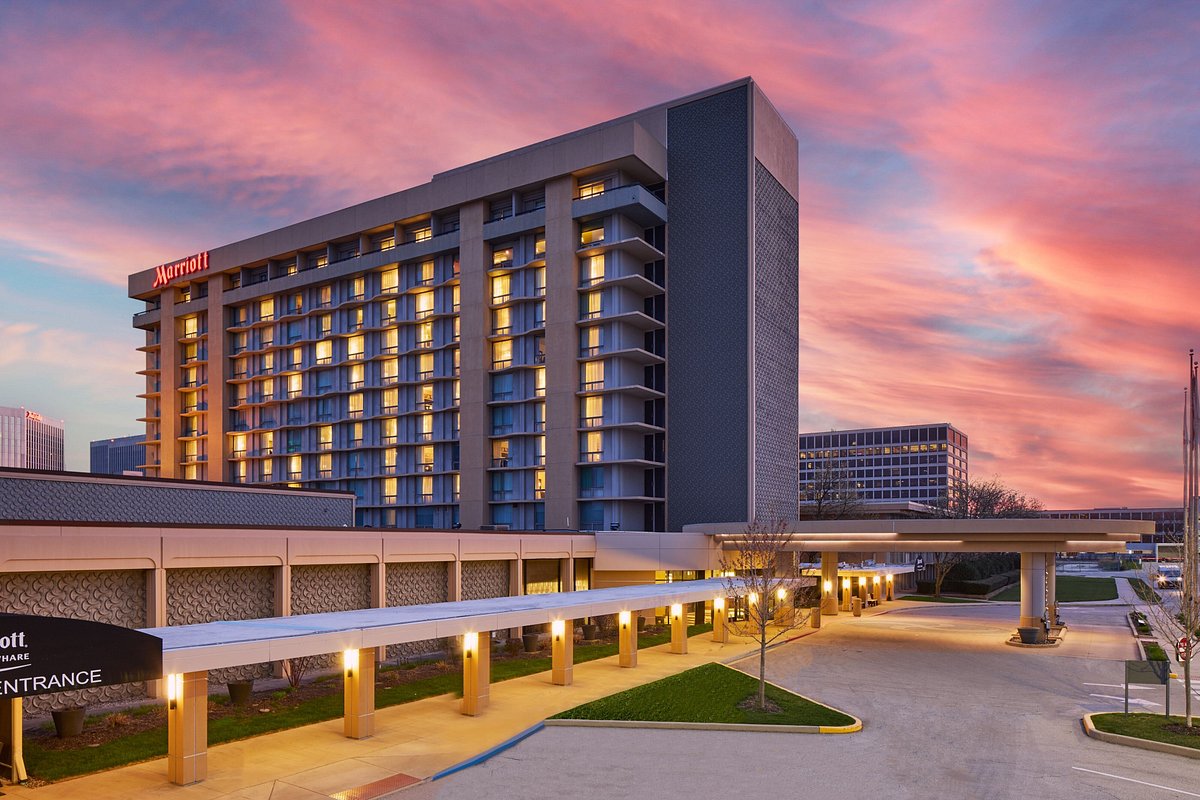
Best Luxury Business Hotels USA: The 2026 Definitive Executive Guide
To the modern road warrior, the designation of “luxury” in the American hospitality market has undergone a quiet but profound transformation. In previous decades, the term was anchored in the tangible: the weight of a silk robe, the thickness of a marble countertop, or the presence of a white-gloved elevator attendant. However, in the 2026 landscape, the best luxury business hotels in the USA are defined by an entirely different set of metrics, specifically, the mastery of “temporal luxury” and “cognitive ease.”
For the high-stakes executive, luxury is no longer about what is added to the room, but what is removed from the experience. It is the removal of friction, the silencing of urban noise, and the intuitive anticipation of needs that the traveler hasn’t yet articulated. A hotel in Midtown Manhattan or the Chicago Loop now competes not just on its Michelin-starred dining, but on its ability to serve as a high-performance sanctuary that restores the mental clarity required for a board meeting or a venture capital pitch.
This evolution mirrors a broader shift in corporate culture toward “regenerative travel.” The goal is no longer to survive a business trip but to thrive during it. Consequently, the leading properties across the United States have integrated deep-wellness technology, biophilic design, and ultra-high-bandwidth digital infrastructure. There are no longer places to sleep between meetings; they are the strategic hubs from which global commerce is conducted.
The following guide is a definitive audit of the top-tier hospitality landscape for businesses. We will dissect the architectural and service-level nuances that separate a merely “expensive” hotel from a true luxury business asset. This exploration is designed for travel procurement officers, C-suite executives, and discerning professionals who require a sophisticated understanding of how the American luxury hotel market has recalibrated for the mid-2020s.
Understanding “best luxury business hotels usa”
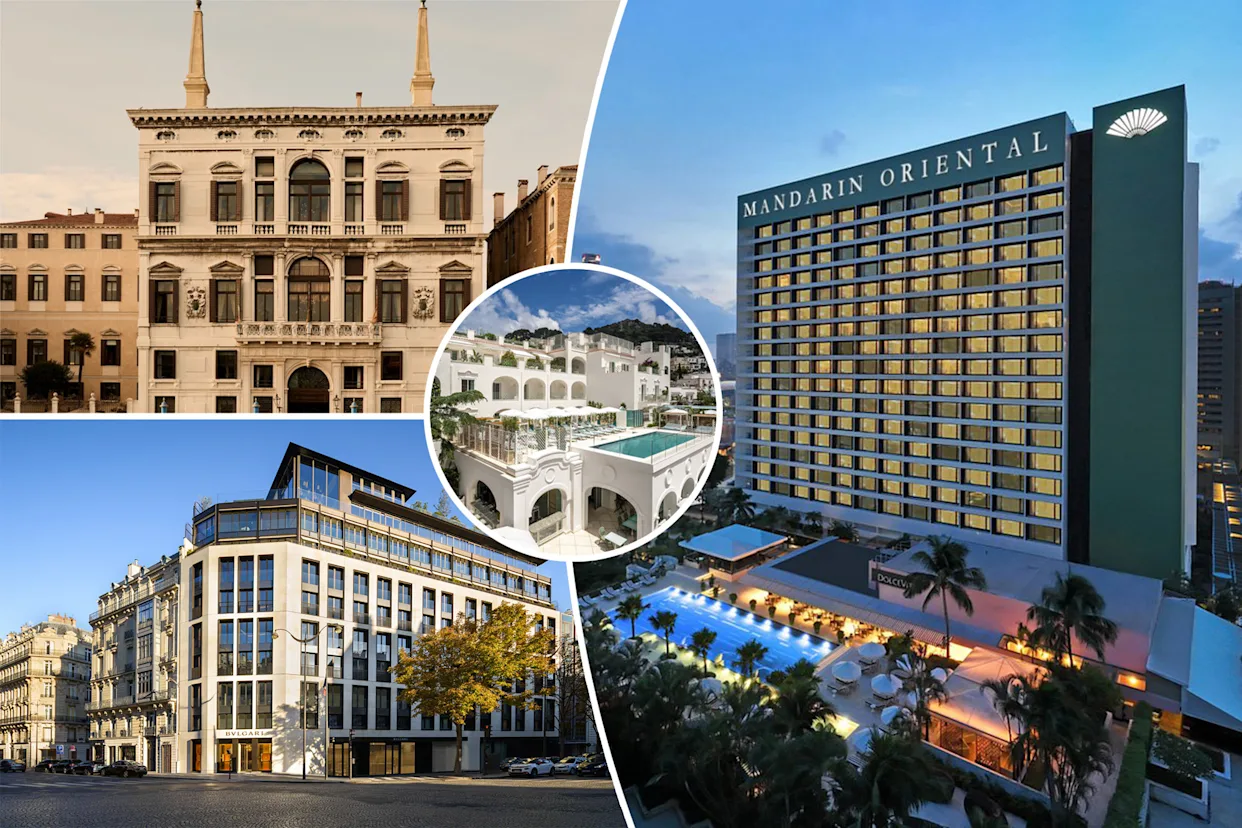
Defining the best luxury business hotels usa requires looking past traditional star ratings. A five-star resort in Maui might be the best for a family vacation, but it is likely a poor choice for an executive preparing for a complex merger. In the business context, “luxury” is synonymous with “high-functioning.” The multi-perspective view of these properties involves assessing three distinct layers: the physical environment (acoustics, lighting, ergonomics), the service intelligence (concierge capability, discretion), and the digital ecosystem (security, connectivity).
A common misunderstanding is that luxury is a function of price. While these properties command premium rates, the “value” is derived from the protection of the traveler’s time. If a hotel’s check-in process takes twenty minutes, it has failed as a business luxury asset, regardless of how much gold leaf is in the lobby. The risk of oversimplification often leads travelers to choose “big box” luxury brands that offer consistency but lack the localized intelligence and bespoke service found in the new wave of “boutique-luxury” hybrids.
True mastery in selecting these hotels involves understanding the “Psychology of the Transition.” When a traveler moves from a high-stress flight to a hotel room, the room must act as a sensory reset. This is why properties like The Langham, Chicago, or Aman New York have gained such status; they do not just provide a bed, they provide a curated atmosphere that actively lowers cortisol levels through precise environmental control.
Contextual Background: The New Era of American Hospitality
The American luxury hotel market has moved through four distinct phases, culminating in the “Intelligent Sanctuary” model of 2026.
The Gilded Age of Grandeur (1890–1930)
Iconic properties like the Waldorf Astoria in New York established the template for the American grand hotel. Luxury was about scale, social signaling, and public-facing opulence. These were the ballrooms where the industrial titans of the 20th century closed deals over brandy.
The Rise of Standardized Excellence (1960–1990)
Brands like Ritz-Carlton and Four Seasons brought a “gold standard” of service consistency to every major US city. For the business traveler, this era offered the luxury of predictability. You knew the layout of the desk and the quality of the club sandwiches,h whether you were in Boston or Los Angeles.
The Design & Boutique Explosion (2000–2015)
As the “Creative Class” rose to prominence, luxury became more expressive. Hotels like The Standard or Edition challenged the starchy traditions of the past, emphasizing art, fashion, and social scenes. Business travel began to prioritize “cool” as much as comfort.
The Intelligent Sanctuary (2020–Present)
Post-2020, the priority shifted to health, privacy, and ultra-efficiency. Today’s premier business hotels utilize medical-grade air filtration, circadian lighting systems, and “invisible” service where interaction is minimized unless explicitly requested. The focus is on the “Protagonist Experience”—where the hotel acts as the supporting cast to the traveler’s primary mission.
Conceptual Frameworks: How to Evaluate a Business Sanctuary
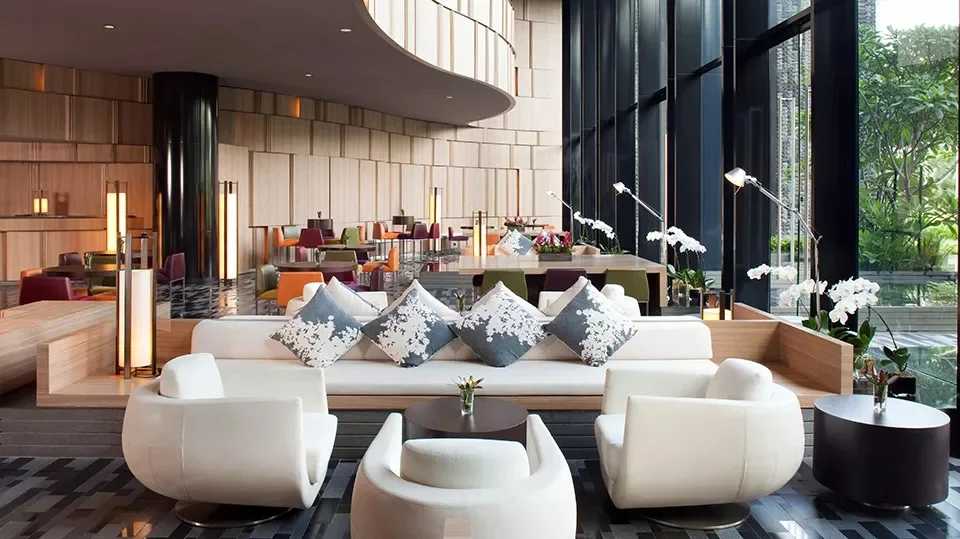
When auditing a property, seasoned travelers use three specific mental models to judge its suitability for high-stakes business.
1. The “Desk-to-Bed” Ergonomic Loop
In a luxury business suite, the transition between work and rest must be seamless but distinct. Does the desk havaan Herman Miller-grade chair, or is it a decorative bench? Is the lighting at the workspace independent of the bedroom’s relaxation settings? A failure in this loop leads to “executive fatigue,” where the brain never fully disengages from the task.
2. The “Acoustic Envelope” Model
Luxury is measured in decibels. The best luxury business hotels usa invest heavily in “STC” (Sound Transmission Class) ratings. This means double-paned glass that kills the siren noise of Manhattan and silent HVAC systems that don’t cycle on and off with a clatter. If you can hear a door close in the hallway, it is not a luxury business hotel.
3. The “Service Latency” Matrix
This measures the time between a request and its fulfillment. In a premier property, the response to a “shoes-shined-by6 AMM” or “urgent-printing-needs” request is measured in minutes. More importantly, it measures “Zero-Latency Service” where the hotel knows you prefer a specific type of sparkling water or a firm pillow because you stayed at their sister property in London six months ago.
Top Properties by Major Business Hub (2026 Edition)
| City | Top-Ranked Property | Signature Business Feature |
| New York | Mandarin Oriental, NY | 360-degree views and elite boardroom facilities |
| Chicago | The Langham, Chicago | Located in the Mies van der Rohe tower, the best-in-class spa |
| Los Angeles | The Maybourne Beverly Hills | Unmatched privacy and “residential-style” office suites |
| San Francisco | Four Seasons Embarcadero | Sky-high views and proximity to the Financial District |
| Washington DC | Riggs Washington DC | Located in a historic bank, “Silver Lyan” for discreet meetings |
| Boston | Mandarin Oriental, Boston | Direct access to the Prudential Center and high-tech wellness |
The Standout: The Langham, Chicago
Ranking consistently at the top of national lists, The Langham exemplifies the “Miesian” philosophy of “less is more.” Occupying the lower floors of an architectural landmark, it offers the “Club Lounge”—a tiered service level that essentially functions as a private office and dining room for travelers, eliminating the need to search for off-site meeting spaces.
Key Categories and Comparison of Services
Luxury hotels are no longer a monolith. They have branched into specific sub-sectors to serve different business needs.
| Category | Best For | Typical Trade-off |
| Grand Historic | Diplomacy & Traditional M&A | Historic charm vs. Modern tech integration |
| Ultra-Modern/Tech | Tech-Sector Founders | Cutting-edge tools vs. Cold aesthetic |
| Residential Luxury | Long-term Project Leads | All-suite comfort vs. Traditional hotel lobby buzz |
| The “Silent” Hotel | Crisis Management/Privacy | Maximum discretion vs. Networking opportunities |
Detailed Real-World Scenarios
Scenario 1: The Multi-Time-Zone Negotiation
An executive in New York must participate in a 3:00 AM video conference with Singapore.
-
The Hotel Role: Aman New York provides “Circadian Lighting” in-room, which can be programmed to simulate morning light at 2:00 AM to wake the executive naturally, and blackout curtains that ensure “restorative darkness” for the subsequent 4-hour nap.
-
Outcome: The executive is mentally sharp for the call despite the time difference.
Scenario 2: The High-Profile “Stealth” Meeting
A CEO needs to meet a rival for a confidential merger discussion in Los Angeles.
-
The Hotel Role: The Maybourne Beverly Hills offers private elevator access from the garage directly to a suite, bypassing the lobby. The hotel’s “In-Suite Dining” is of a caliber that allows for a formal, multi-course meal without the risk of being seen in a public restaurant.
-
Failure Mode: A lesser hotel forces the guests to check in at a public desk, leading to a leaked story in the business press.
Planning, Cost, and Resource Dynamics
The “Cost” of luxury is often an investment in “Risk Mitigation.” A missed night of sleep due to a noisy room can cost a company millions in lost negotiation effectiveness.
Range-Based Table of Expected Daily Rates (ADR)
| Market Tier | NYC / SF / DC | Chicago / Boston / LA | Tier 2 Hubs (Austin/Nashville) |
| Entry Luxury | $700 – $950 | $550 – $750 | $400 – $600 |
| Core Business Luxury | $1,100 – $1,600 | $850 – $1,200 | $700 – $900 |
| Ultra-High-Net-Worth | $2,500+ | $1,800+ | $1,200+ |
Tools, Strategies, and Support Systems for the Elite Traveler
-
Travel Advisors (Human-Led): 97% of luxury travelers in 2026 still rely on human advisors for “The Fix”—the ability to get the corner suite or a table at a booked-out restaurant.
-
Corporate Jet Integration: Properties like Four Seasons Surfside offer “Tarmac-to-Room” service, coordinating with FBOs to ensure a car is waiting at the plane.
-
Digital “Privacy” Shields: High-end business hotels now offer dedicated, encrypted Wi-Fi VLANs for individual suites to prevent “Man-in-the-Middle” cyber attacks.
-
Biological Optimization Kits: In-room access to red-light therapy, compression boots (Therabody), and customized nutrient infusions.
-
Pre-Arrival “Profile” Sync: Ensuring your room temperature is set to 67°F, and the Nespresso pods are your preferred blend before you land.
-
“Grocery Store Tourism” Concierge: For long-stay travelers, a concierge who stocks the kitchen with specific local organic brands.
-
The “Ghost” Concierge: Interaction via high-security messaging apps (Signal/Telegram) rather than the bedside phone.
-
On-Demand Tailoring: 24/7 access to seamstresses for “wardrobe malfunctions” before speaking engagements.
Risk Landscape: Privacy and Digital Integrity
As business travel becomes more digitized, the risks at luxury properties have compounded.
-
Social Engineering: Luxury hotels are high-value targets for data harvesters. A common “Failure Mode” is the “Lobby Wi-Fi Trap.”
-
Acoustic Espionage: In older properties, conversations in suites can be overheard through ductwork. The best luxury business hotels usa have retrofitted rooms with active noise-masking technology.
-
The “Celebrity Trap”: Staying at a “trendy” luxury hotel can inadvertently lead to being photographed or tracked by paparazzi, which can be catastrophic for a discreet business mission.
Governance: Maintaining Standards in Luxury Stays
A corporate travel program must have a “Review Cycle” for luxury vendors.
-
The 180-Day Review: Has the property maintained its service levels? Turnover in hotel management often leads to a “Service Dip” that takes months to recover.
-
The “Mystery Shopper” Audit: High-stakes firms often hire independent auditors to check in and test the hotel’s ability to handle complex requests (e.g., “I need a notary at 11 PM on a Sunday”).
Measurement: The ROI of Luxury Stays
How does a CFO justify a $1,200 room?
-
Qualitative Signal: Post-trip feedback on “Readiness.” Did the traveler feel they had everything they needed to perform?
-
Leading Indicator: “Meeting-to-Rest Ratio”—the ability of the traveler to maintain a high volume of meetings over a 5-day trip without burnout.
-
Lagging Indicator: The success rate of the business objectives (deals closed, partnerships formed) correlates highly with the “quality of rest” of the lead negotiator.
Common Misconceptions and Oversimplifications
-
“The most expensive hotel is the best for business.” Often, the most expensive is a “Leisure Luxury” property (like an Amanieri) where the pace is too slow for business.
-
“Hotel loyalty programs are for everyone.” For the ultra-luxury traveler, “Loyalty” is to the General Manager, not the brand.
-
“High-speed Wi-Fi is a given.” Many luxury hotels have “throttled” internet in common areas; a true business hotel provides dedicated fiber to the suite.
-
“Room service is a lazy choice.” In a luxury business context, room service is a productivity tool that saves 90 minutes of transit/wait time.
-
“Star ratings are universal.” A 5-star rating in the US is often equivalent to a 4-star rating in Asia or Europe; one must look at Forbes or Michelin “Key” ratings.
-
“Sustainability is just about towels.” In 2026, it’s about “LEED Platinum” certification and carbon-neutral operations.
-
“Concierges are for tourists.” A business concierge is for “Logistics Defense”—rebooking canceled flights or finding a replacement laptop at 2 AM.
-
“Privacy is dead.” On the contrary, privacy is the ultimate luxury and the defining feature of the top-tier properties.
Ethical and Sustainability Considerations
The modern executive is increasingly concerned with the “Moral Footprint” of their stay. The best luxury business hotels usa have responded by moving toward “Circular Operations.” This includes zero-plastic initiatives, sourcing 100% of their energy from renewable grids, and “Social Luxury”—ensuring that the hotel staff is paid a living wage that reflects the property’s premium status. A hotel that treats its staff poorly cannot provide the “empathetic service” required by a luxury traveler; there is a direct link between labor ethics and guest experience.
Conclusion: The Synthesis of Performance and Peace
Navigating the landscape of the best luxury business hotels usa is no longer a matter of vanity; it is a matter of strategic resource management. In a world where the executive’s attention is the scarcest commodity, the hotel must act as a filter, blocking out the chaotic noise of the city and amplifying the internal focus of the guest.
The properties highlighted in this guide represent the pinnacle of this “Filtering Architecture.” Whether it is the quiet architectural rigor of Chicago, the discreet residential luxury of Beverly Hills, or the high-altitude boardroom sanctuaries of Manhattan, these hotels are the essential infrastructure of the modern American economy. As business travel continues to evolve toward “High-Impact, Low-Frequency” trips, the role of the luxury hotel as a primary performance partner will only intensify. The choice of hotel is, ultimately, a choice about the quality of the work that will be produced within its walls.