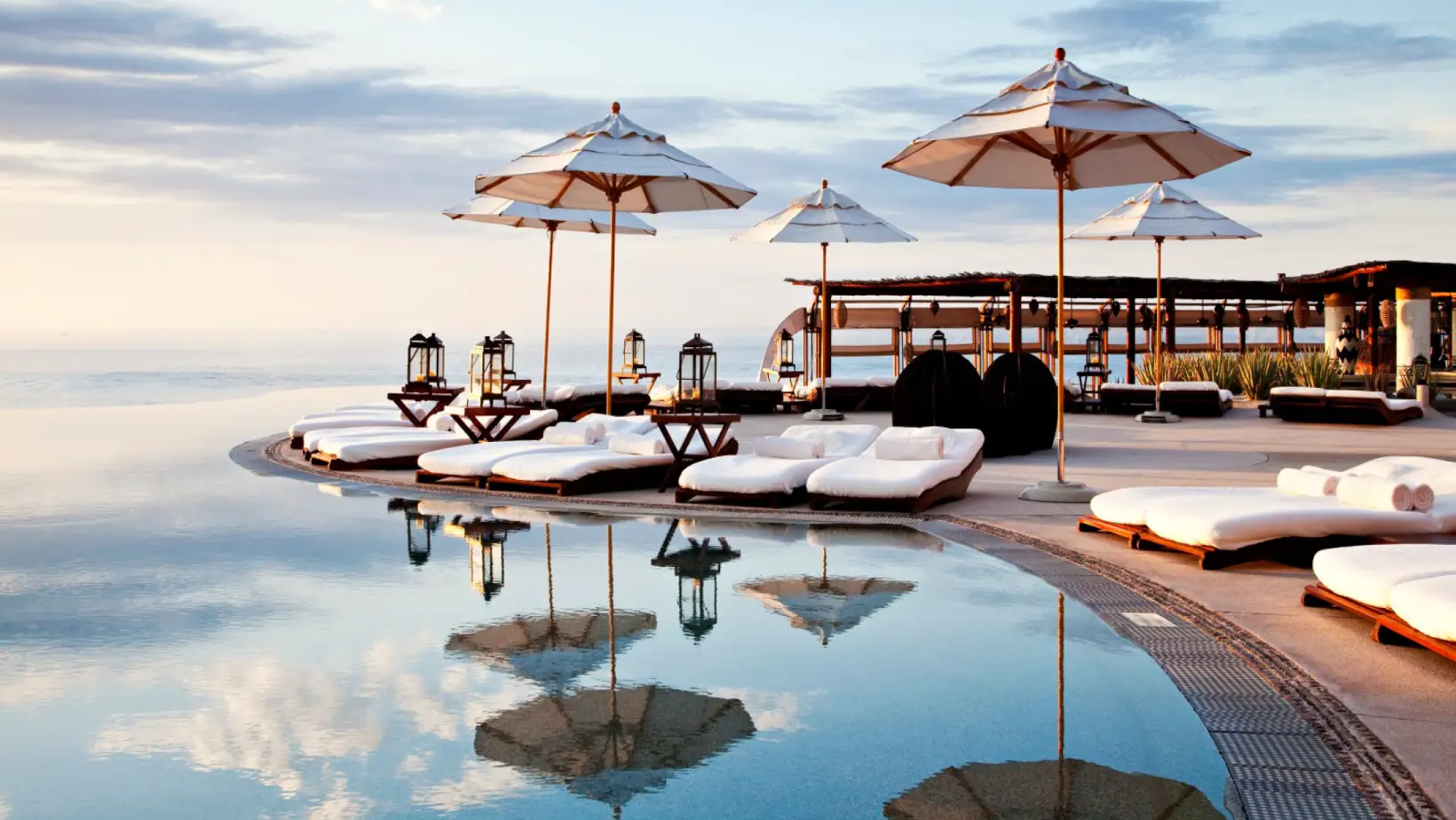
Luxury Corporate Retreat Venues USA: The 2026 Executive Strategy Guide
In the contemporary executive landscape, the annual corporate gathering has moved beyond the “hospitality” category and into the realm of “organizational engineering.” As of 2026, the selection of luxury corporate retreat venues usa is no longer a perk; it is a strategic deployment of capital intended to solve the specific frictions of a distributed workforce. When a leadership team exits the noise of a Tier-1 city for the curated silence of a canyon in Utah or a forested ridge in Tennessee, they are not just seeking luxury; they are seeking “Cognitive Decoupling.”
The complexity of choosing a venue lies in the intersection of three competing needs: total security (digital and physical), hyper-functional meeting infrastructure, and a “sense of place” that facilitates psychological safety.
This definitive article provides a high-level audit of the American luxury retreat market. We will analyze the shifting frameworks of “Return on Experience” (RoX), the failure modes of poorly selected sites, and the specific geographic clusters that currently define the pinnacle of the industry. For the Chief People Officer or the executive assistant charged with site selection, this serves as a blueprint for navigating a market that has become increasingly fragmented and specialized.
Understanding “luxury corporate retreat venues usa”
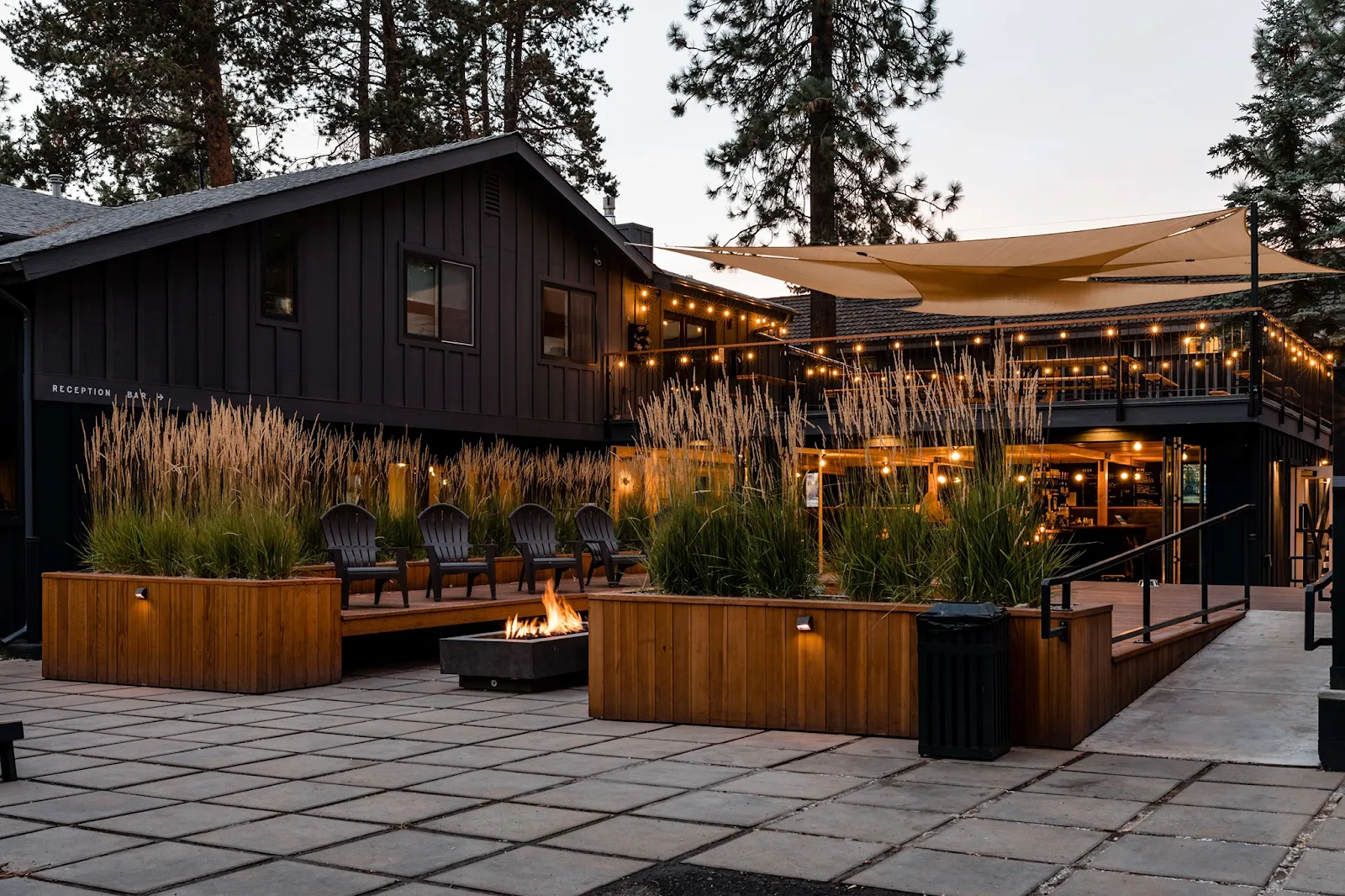
To properly engage with a luxury corporate retreat venues usa audit, one must first dismantle the “Vacation Fallacy.” A common misunderstanding among finance teams is that a high-end venue is a glorified holiday. In the professional segment, luxury is a utility. It provides the “low-friction environment” necessary for intense problem-solving. If an executive team is struggling with a failing Wi-Fi connection or a poorly lit conference room, they are not doing the $10,000-an-hour work they were sent there to do.
Oversimplification risks often arise when planners prioritize “aesthetic” over “operationality.” A stunning glass-walled lodge may look impressive on a website, but if the acoustics are poor or the breakout spaces are nonexistent, the venue fails its primary business mission. The multi-perspective view of these venues requires looking at them through three lenses: the “Sanctuary” (restorative value), the “Lab” (strategic value), and the “Playground” (relational value).
The modern market is currently experiencing a “Polarization of Luxury.” At one end are the “Mega-Resorts” (e.g., in Las Vegas or Scottsdale) that offer scale and logistical perfection. At the other end are “Hyper-Niche Enclaves” (e.g., private ranches in Montana or estate buyouts in the Hudson Valley) that prioritize total privacy and bespoke itineraries. Understanding which side of this spectrum a company needs is the first step in a successful selection process.
Deep Contextual Background: From Reward Trips to Strategy Hubs
The history of the corporate retreat in the United States is a transition from “Incentive” to “Integration.”
The Era of the “Sales Boondoggle” (1970s–1990s)
In the late 20th century, retreats were primarily rewards for high-performing sales teams. The venues were chosen for their leisure facilities—golf, gambling, and nightlife. The “work” component was often a perfunctory morning session followed by an afternoon of recreation.
The Rise of the “Offsite” (2000s–2019)
As tech culture took hold, the “Offsite” became a standard tool for team-building. Venues became more “hip” and “authentic,” with a shift toward boutique hotels in urban hubs like Austin or Portland. The goal was creativity and “culture-building.”
The “Strategic Anchor” Era (2020–2026)
In the post-pandemic, remote-first world, the retreat has become the primary physical touchpoint for many organizations. Consequently, we have seen a massive investment in high-end, remote properties that offer “Industrial-Grade Isolation.”
Conceptual Frameworks and Mental Models
To evaluate a venue beyond its marketing brochure, leaders should apply these three mental models:
1. The “Collision vs. Contemplation” Ratio
Does the venue’s layout encourage “Collision” (accidental meetings in hallways or around fire pits) or “Contemplation” (private decks and quiet library nooks)? A team-building retreat for a new department needs a high-collision venue; a board retreat for a merger negotiation needs a high-contemplation venue.
2. The “Administrative Empathy” Index
This measures how much “mental load” the venue removes from the participants. A true luxury venue provides “Invisible Logistics”—meals appear without orders being taken, transportation is waiting before the meeting ends, and tech issues are resolved before they are reported.
3. The “Biophilic Productivity” Framework
Scientific research suggests that exposure to specific natural environments—particularly “Blue Spaces” (water) or “Green Spaces” (forests)—significantly lowers cortisol and increases divergent thinking. Planners should match the environment to the objective: mountains for “Big Picture” thinking, deserts for “Focus and Discipline,” and coastal areas for “Fluidity and Creativity.”
Key Categories of Luxury Venues and Strategic Trade-offs
| Category | Typical Example | Primary Advantage | Common Trade-off |
| High-Alpine Isolated | Jackson Hole, WY | Total Privacy & Prestige | High travel time/logistics |
| Wine Country Estates | Napa/Sonoma, CA | Elite Culinary & Networking | High “Distraction” factor |
| Desert Modernist | Scottsdale/Canyon Point | Extreme Focus & Spa/Wellness | Harsh seasonal climate |
| The Historic Manor | Hudson Valley, NY | “Old Guard” Authority/Culture | Limited modern AV integration |
| The Private Ranch | Montana/Colorado | Radical Bonding/Activities | Casual tone may not suit M&A |
| Coastal Sanctuaries | Monterey/Sea Island | Relaxation & Clarity | High humidity/weather risk |
Decision Logic: Buyout vs. Semi-Private
A critical decision for elite teams is the “Full Buyout.” In a buyout, the company owns the entire property for the duration. This is essential for companies in sensitive sectors (Defense, Fintech, Healthcare) where “overheard conversations” in a shared hotel lobby represent a significant security risk.
Detailed Real-World Scenarios
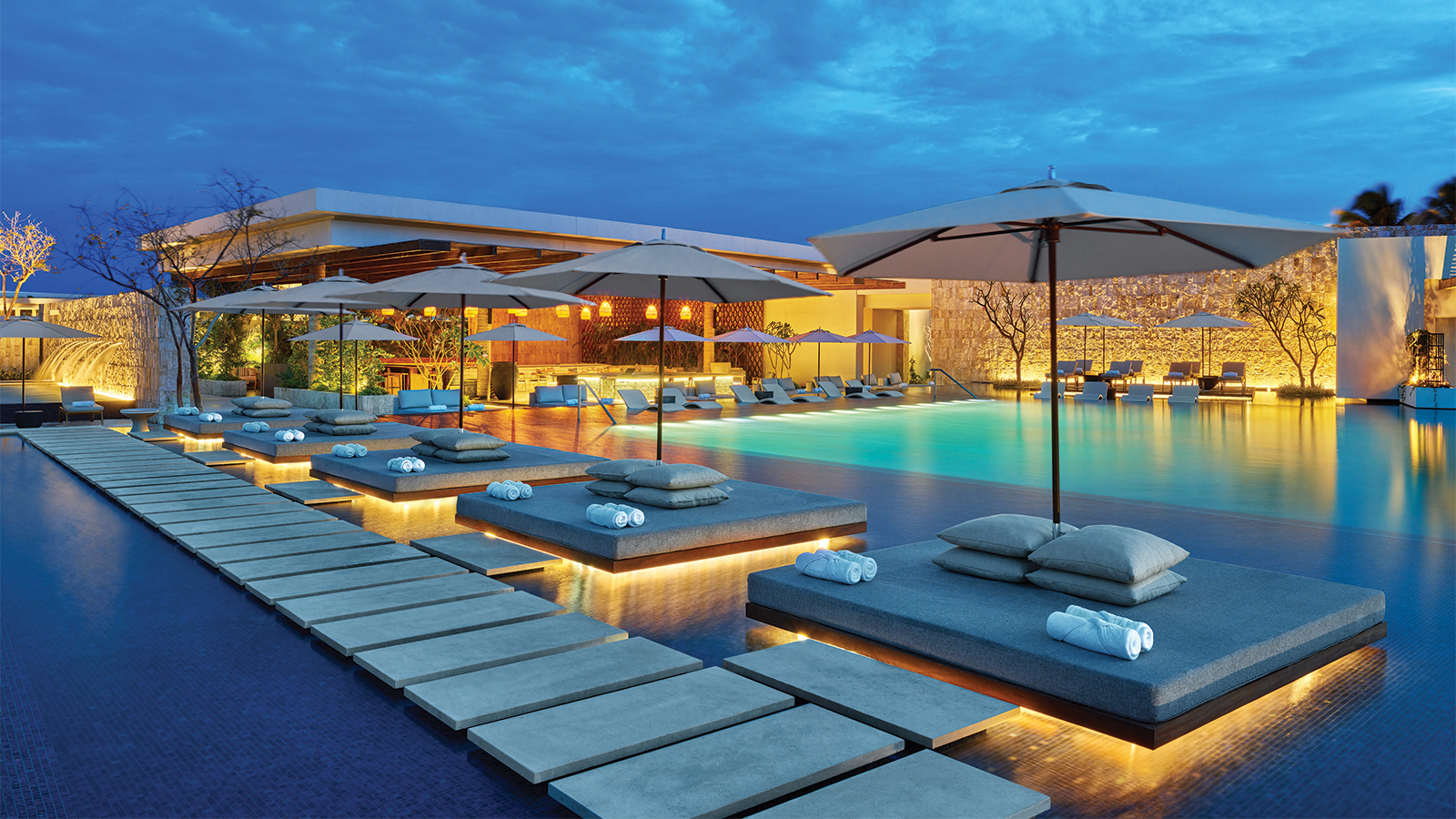
Scenario 1: The “War Room” Pivot
A Silicon Valley firm needs to pivot its entire product roadmap over a 72-hour period.
-
Venue Choice: Amangiri (Utah). The stark, minimalist architecture and total absence of local distractions create a “hyper-focus” environment.
-
The Complexity: High security is required for hardware prototypes.
-
Failure Mode: Choosing a bustling downtown hotel where “leaking” info to competitors at the bar is a constant threat.
Scenario 2: The “Culture Infusion” for a Global Team
A company with 50 remote employees across three continents meets for the first time in two years.
-
Venue Choice: Blackberry Mountain (Tennessee). The focus here is on “Shared Sensory Experiences”—group hikes, communal farm-to-table meals, and wellness rituals.
-
The Complexity: Diverse physical abilities and dietary needs.
-
Failure Mode: A “Ski-in/Ski-out” venue where non-skiers feel excluded, damaging the very culture the retreat was meant to build.
Planning, Cost, and Resource Dynamics
The “Cost” of a luxury retreat is increasingly calculated as Investment per Decision Hour.
Range-Based Table: Daily Spend per Attendee (All-inclusive)
| Tier | Venue Type | Est. Daily Cost (PP) | Primary Resource |
| Premium | Large Luxury Resort | $800 – $1,200 | Scales well for 100+ pax |
| Elite | Boutique/Wine Country | $1,500 – $2,500 | High-touch service/food |
| Ultra-Prime | Full Ranch/Estate Buyout | $3,500 – $5,000+ | Total privacy/discretion |
Tools, Strategies, and Support Systems
To manage these high-value events, specialized systems are required:
-
Mobile Event Concierge Apps: Not for scheduling, but for “Point-of-Need” communication between attendees and the venue staff.
-
Private Charter Integration: For remote venues like The Ranch at Rock Creek, coordinating private air-to-shuttle logistics is a non-negotiable.
-
Digital “Clean-Room” Setup: Venues that provide temporary, high-security local area networks (LANs) for sensitive work.
-
Circadian Lighting Protocols: Using the venue’s smart lighting to help international teams overcome jet lag in 24 hours.
-
Professional Facilitation: The use of external “Strategic Moderators” who ensure the beautiful environment doesn’t lead to “soft” thinking.
-
Wellness Concierge: On-site nutritionists and sleep coaches who optimize the group’s physical energy for the sessions.
Risk Landscape and Failure Modes
The “Luxury Trap” is a real phenomenon.
-
The “Asymmetry of Experience”: When the executive team stays in suites significantly more opulent than the rest of the team, it can breed resentment and undermine the “We are one team” message.
-
The “Activity Fatigue” Risk: Over-scheduling outdoor activities (Jeep tours, fly fishing, ropes courses) can leave the team too exhausted for the actual strategy sessions.
-
The “Digital Black Hole”: Choosing a remote mountain lodge only to find the “satellite Wi-Fi” cannot support 40 simultaneous Zoom calls with headquarters.
Governance, Maintenance, and Long-Term Adaptation
A successful retreat program requires a Venue Lifecycle Governance model.
-
The 24-Month Rule: Avoid returning to the same venue within 24 months. Over-familiarity with a site can lead to “Ritualization”, where the team stops thinking creatively and just repeats the “vibe” of the last trip.
-
The “Site-Visit” Protocol: No luxury venue should be booked without a “blind” site visit by a neutral third party to test the “Service Recovery” capability (e.g., how the staff reacts to a broken coffee machine at 6:00 AM).
Measurement, Tracking, and Evaluation (ROI vs. RoE)
Financial ROI is difficult to pin to a single weekend, so sophisticated firms use Return on Objective (RoO).
-
Leading Indicator: “Pre- vs. Post-Retreat Trust Scores” (Anonymized surveys).
-
Lagging Indicator: “Speed to Milestone” for the specific projects discussed at the retreat.
-
Qualitative Signal: The “Cultural Resonance” of the retreat—how often the themes or “inside jokes” of the retreat appear in company communications six months later.
Documentation Examples
-
The “Alignment Map”: A visual record of where the team started on Day 1 vs. where they ended on Day 3.
-
The “Decision Ledger”: A strict list of all commitments made during the retreat to prevent the “Post-Retreat Fade.”
Common Misconceptions and Oversimplifications
-
“Everyone wants adventure.” A significant portion of your team likely wants “Rest and Stillness.” A venue must offer both.
-
“Luxury means formal.” In 2026, luxury is often “casual and high-spec.” A flannel-shirt-and-jeans environment can often yield better strategy than a suits-and-ties boardroom.
-
“Accessibility is just about the airport.” Accessibility is about “Mental Bandwidth.” If the transit to the venue is too stressful, you lose the first 6 hours of the retreat to recovery.
-
“Food is just fuel.” In a retreat context, the dinner table is where the “Social Capital” is actually built.
-
“Wellness is an ‘add-on’.” Wellness (sleep, hydration, light) is the foundational layer of executive performance.
Conclusion: The Synthesis of Environment and Innovation
The search for the best luxury corporate retreat venues in the USA is ultimately a search for a “Catalytic Environment.” The right space doesn’t just host a meeting; it changes the nature of the conversation. As the boundaries between work and life continue to shift, these venues serve as the “Sacred Spaces” of the modern corporation—the sites where values are forged, crises are averted, and the future is mapped out.