Premium Corporate Event Spaces America: 2026 Strategic Venue Audit
In the high-stakes environment of 2026, the physical stage upon which a corporation presents its vision has become a primary driver of brand equity. The era of the windowless, beige ballroom is largely behind us, replaced by a sophisticated demand for environments that serve as “cognitive accelerators.” When a firm invests in premium corporate event spaces in America, they are no longer merely renting a floor and a ceiling; they are acquiring a curated atmosphere designed to lower social barriers and elevate strategic discourse.
The complexity of modern site selection resides in the tension between “digital readiness” and “physical presence.” As virtual fatigue reaches its zenith, the premium event space must justify the logistical friction of travel by offering an experience that is impossible to replicate over a high-bandwidth connection. This involves a sensory-focused architecture and acoustic treatment that prevents auditory fatigue, lighting systems synchronized with circadian rhythms, and culinary programs that emphasize local provenance over standardized banquet fare.
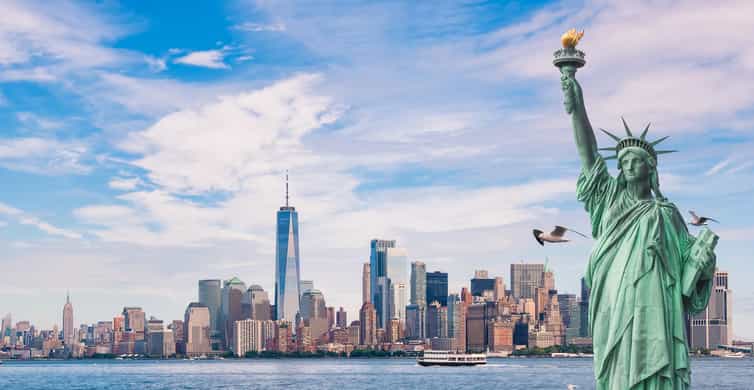
Furthermore, the American corporate landscape is decentralizing. While New York and San Francisco maintain their “Legacy Prestige” status, we are seeing the rise of “Intellectual Enclaves” in cities like Denver, Austin, and Miami. These secondary markets have developed venue ecosystems that prioritize “industrial-chic” flexibility and integration with the surrounding urban fabric. For the modern executive planner, the challenge is no longer finding a space with enough square footage, but finding a space with enough “narrative density” to align with the company’s current cultural trajectory.
This article serves as a definitive audit of the premium event market in the United States. It is designed to navigate the systemic shifts in how businesses gather, providing the conceptual frameworks and operational logic required to select, manage, and evaluate the venues that will define corporate history over the next decade.
Understanding “premium corporate event spaces america”
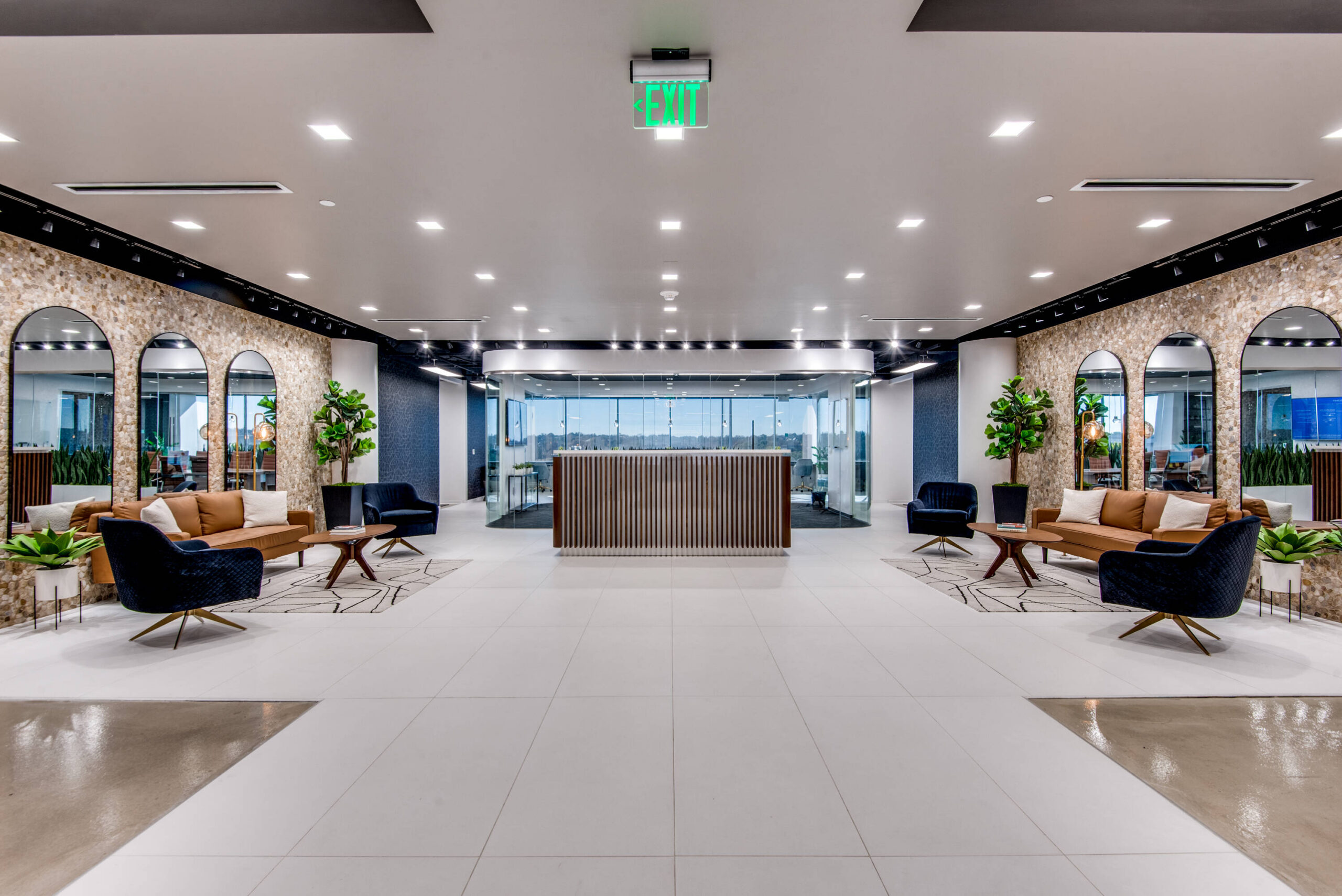
To engage with the market for premium corporate event spaces in America is to acknowledge that “luxury” is no longer a sufficient descriptor. Premium, in a professional context, implies a performance-oriented environment. A common misunderstanding among procurement departments is the conflation of “costly” with “effective.” A venue may feature gold-leaf ceilings and five-star catering, but if the internet backbone cannot support three hundred simultaneous high-definition streams, it is not a premium corporate space; it is a museum.
A multi-perspective view requires analyzing these spaces through three distinct lenses: the Guest (comfort and inspiration), the Stakeholder (brand alignment and ROI), and the Operator (logistical feasibility and technical redundancy). Oversimplification risks usually manifest as a focus on “aesthetic” at the expense of “flow.” Flow refers to the movement of humans through a space—the ease with which one can transition from a high-energy plenary session to a quiet, private negotiation in a subdivided “breakout” lounge.
The true premium space in 2026 also functions as a “Black Box.” It should be architecturally neutral enough to be completely transformed by a brand’s visual identity, yet possess enough innate character that it doesn’t feel like a sterile vacuum. This paradox is what separates the top-tier venues in America—those that provide a canvas rather than a cage—from the mid-market hotels that force a standardized “corporate” aesthetic onto every client.
Deep Contextual Background: The Evolution of Industrial Gathering
The history of corporate event architecture in the United States is a trajectory from the “Secretive Boardroom” to the “Transparent Hub.”
The 20th Century: The Fortress Model
Until the late 1990s, the premium event space was almost exclusively located within the corporate skyscraper or the grand hotel. These spaces were designed for privacy and exclusion. Thick carpets, heavy curtains, and mahogany wood were the markers of authority. Networking was formal, structured, and hierarchical.
The 21st Century: The Adaptive Pivot
The rise of the technology sector in the early 2000s introduced the “Warehouse Model.” Open ceilings, exposed brick, and modular furniture signaled a shift toward collaboration and “flat” organizational structures. However, these spaces often lacked the acoustic and technical sophistication required for high-stakes executive summits.
The Present: The “Hybrid Sanctuary”
Post-2020, we entered the era of the “Sanctuary.” Premium corporate event spaces ain Americanow emphasize health, airflow, and psychological safety. There is a systemic move toward “biophilic design”—integrating natural light and vegetation—which has been proven to increase creative output and reduce the cortisol levels of participants who may have traveled across multiple time zones.
Conceptual Frameworks and Mental Models
To evaluate a venue beyond the marketing brochure, planners should utilize these mental models:
1. The “Social Friction” Index
This model assesses how much effort is required for two people who don’t know each other to start a conversation. Premium spaces minimize social friction through “collision-friendly” layouts: central bar areas, narrow yet comfortable hallways, and tiered seating that allows for eye contact.
2. The “Cognitive Load” Framework
Every environmental distraction—a humming HVAC system, a flickering light, or an uncomfortably cold room—adds to the attendee’s cognitive load. A premium space is one where the environment is so perfectly calibrated that it becomes invisible, allowing the attendee to devote 100% of their mental energy to the event’s content.
3. The “Semantic Density” Model
This framework looks at the “layers of meaning” in a venue. A historic library renovated with fiber-optic tech has high semantic density; it signals both tradition and the future. A purpose-built, generic convention center has low semantic density. High-stakes events (mergers, board shifts, IPO roadshows) typically require high-density spaces.
Key Categories of Premium Venues and Strategic Trade-offs
The American market has fractured into six primary archetypes of premium spaces:
| Category | Typical Location | Primary Advantage | Trade-off |
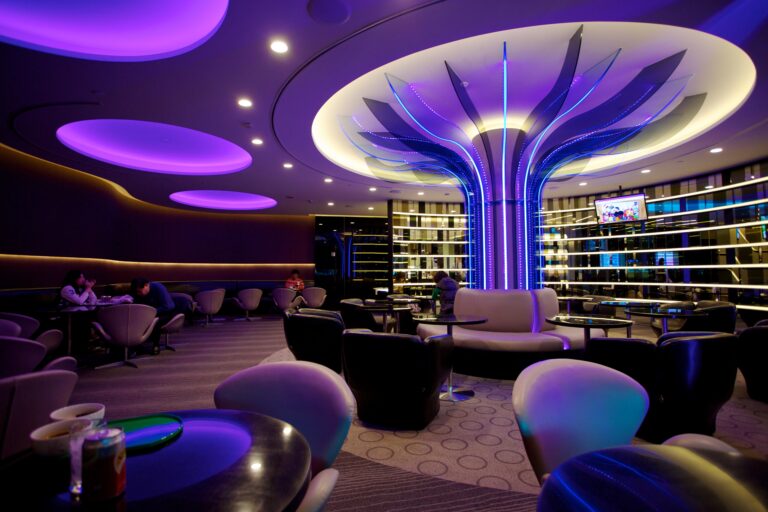
| The Urban Sky-Lounge | NYC, Chicago, LA | Instant prestige/views | Tight security/logistics |
| The Historic Reclaim | Hudson Valley, Detroit | High semantic density | Variable HVAC/Acoustics |
| The Tech-Integrated Hub | SF, Austin, Seattle | Plug-and-play digital | Can feel sterile/generic |
| The Resort-Adjacent | Scottsdale, Florida | High relaxation/bonding | Distance from urban center |
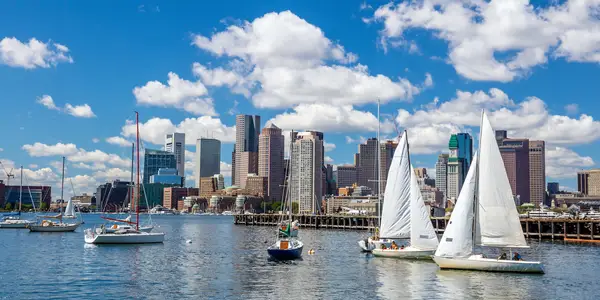
| The Academic Enclave | Boston, Palo Alto | Intellectual authority | Strict catering/AV rules |
| The Private Estate | Napa, Hamptons | Total privacy/security | Extremely high cost/transport |
Decision Logic: Matching Space to Outcome
If the outcome is “Conflict Resolution,” a Private Estate or Resort-Adjacent space is superior as it removes participants from their “daily combat zones.” If the outcome is “Public Launch,” the Urban Sky-Lounge provides the necessary media optics and high-energy atmosphere.
Detailed Real-World Scenarios
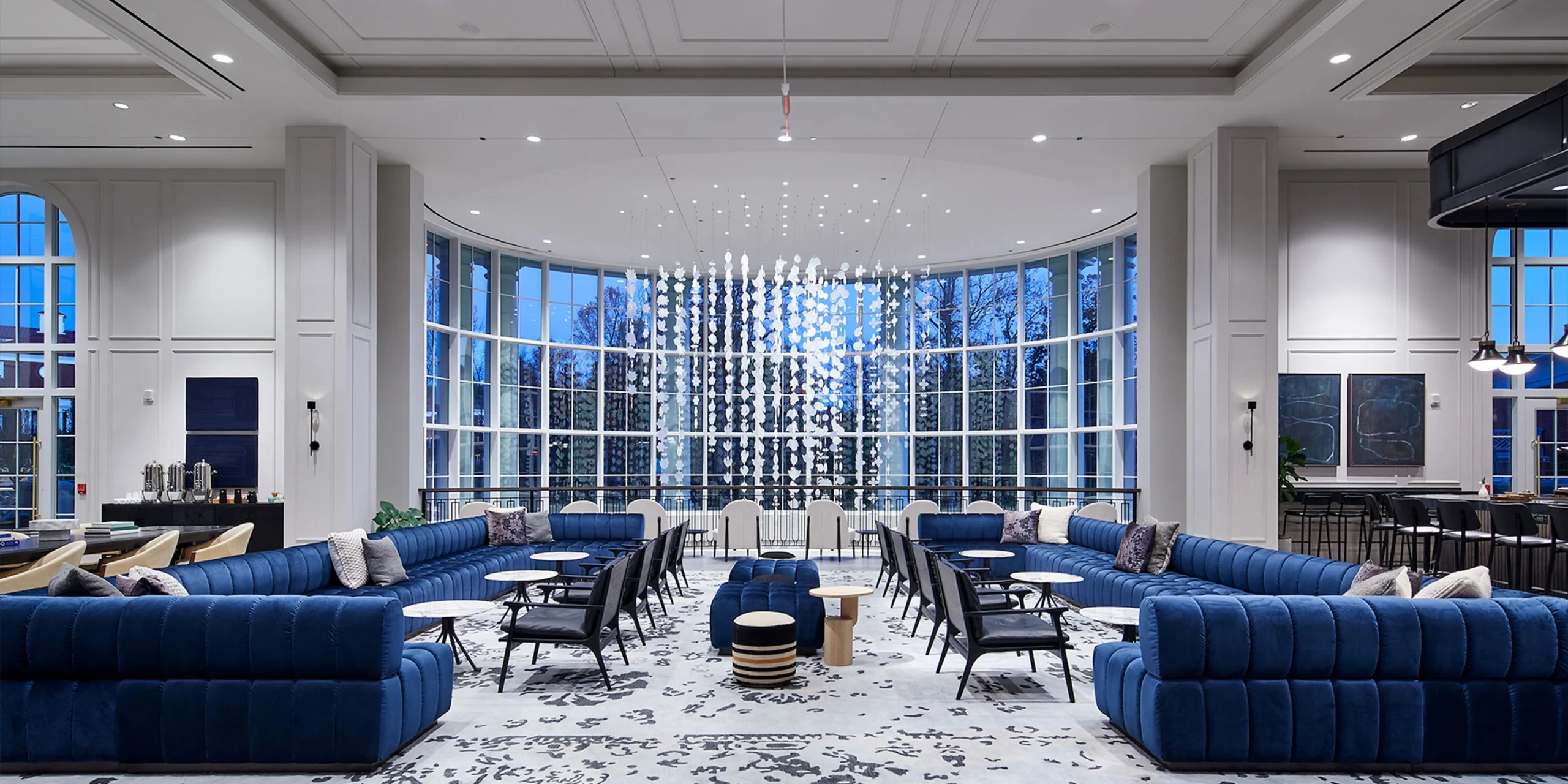
Scenario 1: The “High-Stakes Acquisition” Negotiation
Two multinational firms are finalizing a merger. The environment needs to be neutral, highly secure, and extremely comfortable to handle 16-hour sessions.
-
Selection: A Private Estate in the Virginia countryside.
-
Failure Mode: Choosing a downtown DC hotel where the presence of the two CEOs might be leaked by hotel staff or other guests.
-
Second-Order Effect: The isolated environment forces “shared hardship” and bonding, leading to a more favorable deal structure.
Scenario 2: The “Developer Ecosystem” Summit
A tech giant needs to energize 500 third-party developers.
-
Selection: A Tech-Integrated Hub in Austin with “Main Stage” capabilities and 20+ micro-breakout zones.
-
Constraints: High power requirements for hardware demos.
-
Risk: Inadequate Wi-Fi density leading to “social media blackout” and loss of organic hype.
Planning, Cost, and Resource Dynamics
The cost of premium corporate event spaces in America is rarely a flat fee. It is a compounding structure of “Access,” “Activation,” and “Restoration.”
Range-Based Table: Daily Spend Estimates (2026)
| Tier | Occupancy | Est. Rental (Daily) | F&B / AV (Per Person) |
| Boutique Premium | 20 – 50 | $5,000 – $12,000 | $350 – $600 |
| Enterprise Premium | 100 – 300 | $15,000 – $45,000 | $250 – $450 |
| Iconic / Buyout | 500+ | $75,000 – $250,000+ | $400 – $800 |
Note: These figures exclude travel, accommodation, and external branding.
Opportunity Cost of the “Wrong” Venue
Choosing a non-premium space for a premium event can result in “Negative ROI.” If an executive team feels the venue is beneath their status, engagement drops by an estimated 30-40%, rendering the time spent (the most expensive resource) largely unproductive.
Tools, Strategies, and Support Systems
Managing a premium space requires a “Technical Stack” that extends beyond a simple floor plan.
-
3D Spatial Simulations: Tools like Matterport or Social Tables allow for “lighting and shadow” simulations before the event.
-
Soundscape Engineering: Using directional audio and white-noise generators to ensure private conversations remain private even in open rooms.
-
Real-Time Carbon Monitoring: Many premium venues now provide dashboards showing air quality and $CO_2$ levels—essential for maintaining high alertness.
-
Bespoke Logistics Portals: Dedicated apps for the venue that allow attendees to order on-demand services (transfers, dietary changes) without leaving their seats.
-
Digital Twins for AV: Ensuring the on-site tech team has a “digital twin” of the venue’s wiring and signal paths to troubleshoot in seconds.
-
“White-Glove” Site Liaisons: A dedicated, single point of contact at the venue who has the authority to override catering or security protocols.
Risk Landscape and Failure Modes
The “Premium” label often hides systemic risks that can derail an event.
-
The “Connectivity Collapse”: High-end historic buildings often have thick walls that act as Faraday cages. Without a massive investment in internal Wi-Fi 7 repeaters, digital interaction is impossible.
-
The “Security Paradox”: A highly visible urban lounge offers great branding but increases the risk of “protest disruption” or “unauthorized surveillance.”
-
“Service Fatigue”: In ultra-luxury venues, over-attentive staff can become a distraction, interrupting the flow of deep-work sessions with constant refreshment offers.
Governance and Long-Term Adaptation
How does a company “govern” its relationship with premium spaces? It requires a Venue Lifecycle Strategy.
-
Audit Cycles: Every 18 months, venues should be re-audited. A “Premium” space in 2024 may have outdated tech by 2026.
-
The “Give/Get” Ratio: Negotiating long-term partnerships with venue groups (e.g., Soho House, Convene, or Aman) to ensure “First Right of Refusal” for key dates.
-
Adaptation Triggers: If a company shifts from “growth” to “efficiency,” the event spaces must adapt—shifting from “Luxury Resorts” to “Urban Intellectual Enclaves” that signal a leaner, more focused culture.
Measurement, Tracking, and Evaluation
ROI in the world of premium corporate event spaces in America is calculated via “Leading” and “Lagging” indicators.
-
Leading (Immediate): Attendee Dwell Time (How long do they stay in the sessions vs. retreating to their rooms?) and Real-time Pulse Surveys.
-
Lagging (Delayed): “Deal Velocity” or “Strategy Retention”—measuring if the decisions made in that space were actually executed over the following six months.
Documentation Examples
-
The “Acoustic Audit”: A decibel map of the room during peak usage.
-
The “Visual Hierarchy” Plan: A map showing what every attendee sees from every seat to ensure “No Dead Zones.
Common Misconceptions and Oversimplifications
-
“Newer is always better.” Historic venues often provide a “psychological weight” that newer glass boxes cannot replicate.
-
“In-house AV is sufficient.” Premium events almost always require external, specialized AV teams who know the specific “failure points” of that venue.
-
“Catering is about the food.” Catering is actually about “Energy Management.” A premium space provides food that prevents the “2 PM Slump.”
-
“Outdoor space is a perk.” Outdoor space is an “Adaptive Tool” for cognitive resets.
-
“Size equals capacity.” A room that holds 500 people for a reception might only hold 150 comfortably for a working strategy session.
-
“The contract is the ceiling.” In premium spaces, the contract is the floor. The best operators are those who provide “Service Recovery” when things go wrong.
Conclusion: The Synthesis of Space and Strategy
The quest for the ideal environment within the world of premium corporate event spaces in America is ultimately an alignment search. The venue is the “Hardware” through which the “Software” of corporate strategy must run. If the hardware is outdated, cluttered, or incompatible, the strategy will fail to execute at full speed.
In 2026, the competitive advantage belongs to those who understand that “where” we meet is as important as “why” we meet. By moving away from standardized hospitality and toward “Performance-Calibrated Sanctuaries,” American businesses can turn their events into genuine catalysts for growth. The space should not just host the conversation; it should inspire it, protect it, and ultimately, accelerate it.