Top Tech Conference Destinations America: 2026 Definitive Guide
In the rapidly recalibrating landscape of global industry, the physical gathering remains the most potent catalyst for high-stakes innovation. For the technologist, the investor, or the enterprise strategist, the selection of a venue is no longer a peripheral logistical detail; it is a declaration of intent. As we move through 2026, the concept of a “host city” has shifted from a mere backdrop to an active participant in the conference ecosystem. The top tech conference destinations in America are those that offer a “Triple-Threat” infrastructure: world-class physical capacity, a native talent density that fuels organic networking, and a digital backbone capable of supporting the massive compute requirements of a post-AI event landscape.
The American tech conference sector is currently navigating a period of “Intentional Decentralization.” While the traditional pillars—San Francisco, Las Vegas, and Orlando—maintain their dominance through sheer scale, a new tier of “Specialized Hubs” has emerged. These cities, such as Austin, Boston, and the Raleigh-Durham Research Triangle, do not attempt to host everything for everyone. Instead, they leverage their local “Economic DNA” to become the definitive homes for specific niches, whether it be Biotech, Cybersecurity, or Generative Infrastructure.
This shift has introduced a layer of complexity for event planners and corporate attendees alike. To maximize the “Return on Attendance” (RoA), one must look beyond the marquee name of a conference and analyze the “Ecosystem Fit” of the destination. A city’s value is now measured by its “Permeability”—the ease with which a formal session in a convention center transitions into a high-value, informal meeting in a nearby venture lab or corporate headquarters.
This flagship article provides an analytical, systemic audit of the premier destinations for technology gatherings in the United States. It moves beyond superficial tourism metrics to examine the frameworks of regional specialization, the logistics of “Mega-Scale” events, and the emerging risks that define the next era of professional connectivity.
Understanding “top tech conference destinations america”

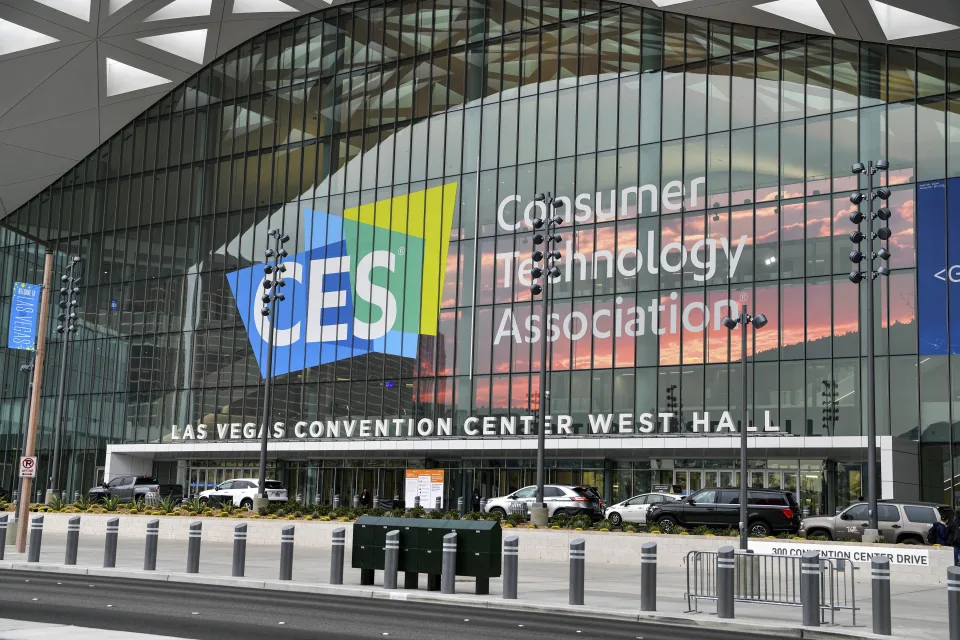
To define the top tech conference destinations in America, one must first discard the notion that a high hotel room count is the primary indicator of a city’s status. In 2026, a “Top Destination” is defined by its Technical Symbiosis—the alignment between the city’s industrial strengths and the conference’s thematic focus. A common oversimplification is the “Las Vegas Default,” where planners choose the Mojave Desert for every large-scale event. While Las Vegas remains unparalleled for “Broad-Spectrum” events like CES, it can lack the “Niche Gravity” required for a specialized AI developer summit, which might find more fertile ground in San Jose or Boston.
A multi-perspective view of these destinations identifies three critical dimensions:
-
Logistical Throughput: The ability of the airport (Hartsfield-Jackson, DFW, or McCarran) to handle a 50,000-person “pulse” without local gridlock.
-
Intellectual Proximity: The density of local “Subject Matter Experts” (SMEs) who can participate as speakers or attendees without requiring cross-country travel.
-
Digital Sovereignty: The availability of private 5G networks and low-latency edge computing within the venue to support “Real-Time Demonstration” of cloud-native or AI-agentic tools.
The risk of choosing a destination based purely on legacy reputation is “Network Stagnation.” If a city does not actively reinvest in its convention infrastructure—specifically in terms of sustainability certifications and high-density connectivity—it quickly loses its “Top Tier” status to emerging markets like Dallas or Phoenix, which are currently undergoing massive, tech-first expansions.
Deep Contextual Background: The Evolution of the Tech Hub
The geography of American tech gatherings has evolved through three distinct “Eras of Connectivity.”
The Era of “Geographic Monopoly” (1980s–2000s)
Initially, tech conferences were tethered to the “Cradle of Innovation.” If you wanted to see the latest in hardware, you went to San Francisco or San Jose. These events were insular, focused on the “Silicon” of Silicon Valley. The destination was the industry’s home, and the “Social Friction” was high for outsiders.
The Era of “Industrial Scale” (2010s–2022)
As tech became the dominant force in the global economy, conferences outgrew the boutique venues of the Bay Area. This era saw the rise of the “Mega-Destination.” Cities like Orlando and Las Vegas became the default because they could provide 100,000+ hotel rooms and millions of square feet of contiguous floor space. The destination became a “Neutral Territory” where tech met the rest of the business world.
The Era of “Thematic Specialization” (2023–Present)
Today, we are in the “Post-Generalist” era. The top tech conference destinations in America are those that offer “Deep Vertical Integration.” We see “Life Science Tech” consolidating in Boston, “FinTech and AI Policy” centering in New York and D.C., and “Enterprise Software” finding a secondary home in the “Silicon Prairie” of Texas. The destination is now selected to reinforce the conference’s specific value proposition.
Conceptual Frameworks and Mental Models
To evaluate a potential site for a high-stakes gathering, industry veterans utilize three primary mental models:
1. The “Permeability” Score
This measures the ease with which a conference “leaks” into the surrounding city. A low-permeability destination (like an isolated resort) keeps everyone in a bubble. A high-permeability destination (like Austin during SXSW) turns the entire downtown into a networking engine. High-permeability is preferred for “Inspiration and Discovery” missions, while low-permeability is superior for “Hard-Skill Certification” or “Executive Retreats.”
2. The “Local Gravity” Framework
This model asks: If we canceled every formal session, would the trip still be worth it? If the destination has high “Local Gravity”—meaning the nearby headquarters of Google, Microsoft, or MIT are accessible for side meetings—the event has a built-in “Value Floor.”
3. The “Infrastructure Friction” Ratio
This is the quantitative measure of travel “Dead Time.”
A city with a 15-minute airport-to-hotel transit and walkable “After-Hours” venues has a superior friction ratio, directly correlating to higher attendee satisfaction and retention.
Key Categories of Tech Destinations
The 2026 US market is segmented into four “Operational Archetypes.”
| Archetype | Primary Strengths | Top Example | Ideal For |
| The Global Mega-Hub | Unlimited scale, global airlift | Las Vegas, NV | Consumer Tech, Mass-Market SaaS |
| The Vertical Specialist | Academic ties, industry density | Boston, MA | Biotech, Robotics, DeepTech |
| The Innovation Enclave | Networking density, “Cool” factor | Austin, TX | Startups, Creative Tech, AI Policy |
| The Enterprise Engine | Modern infrastructure, central geography | Orlando, FL | Cybersecurity, IT Ops, Healthcare |
Decision Logic: The “Mission-Scale” Alignment
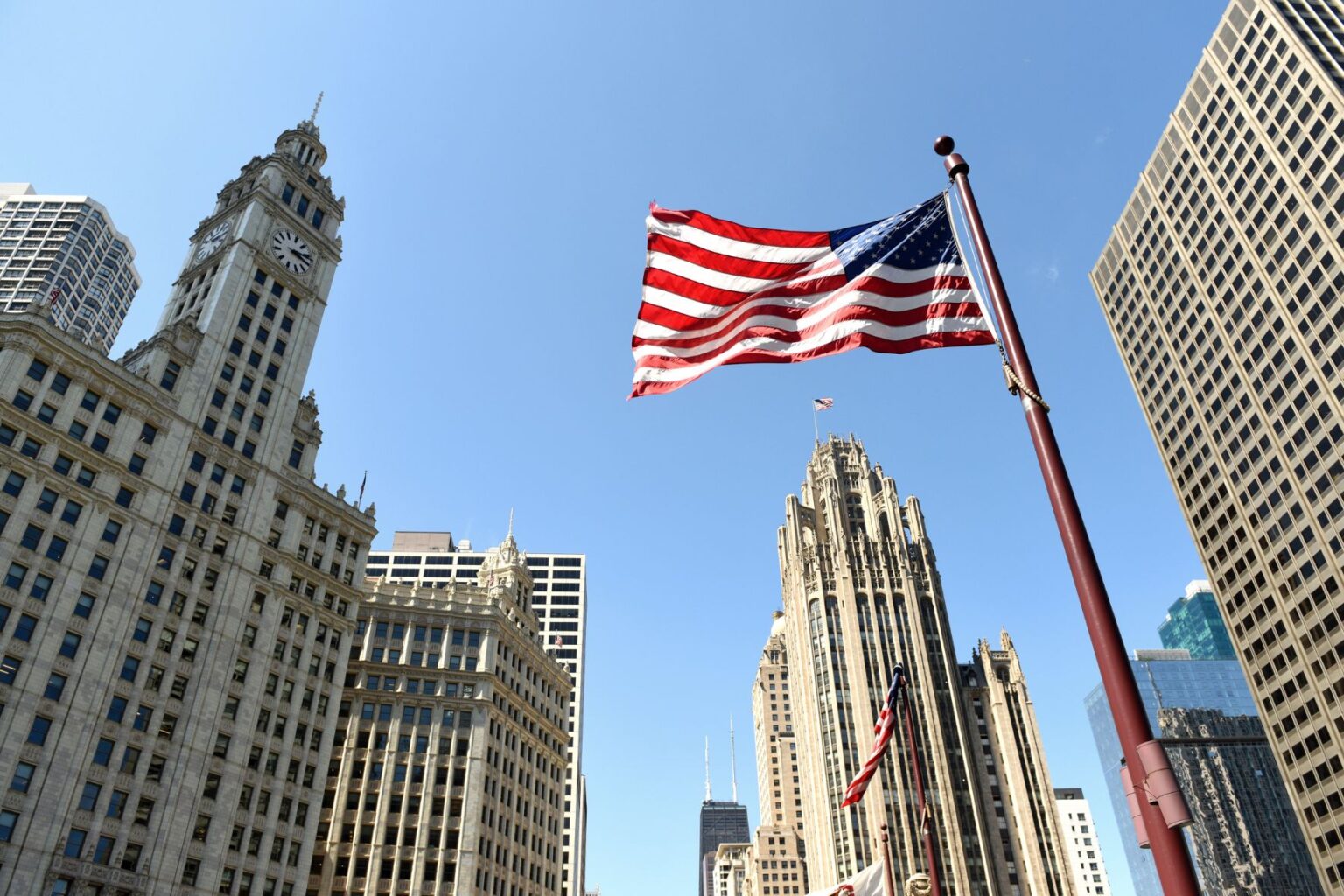
If an organization is hosting a “User Conference” for 20,000+ people, the top tech conference destinations in America list narrows immediately to Las Vegas, Orlando, and Chicago. If the goal is an “Elite Developer Summit” for 500, the focus shifts to San Francisco or Seattle, where the “Talent Overflow” from local giants provides a high-fidelity environment.
Detailed Real-World Scenarios
Scenario 1: The “High-Frequency” Developer Sprint
A cloud infrastructure provider needs to host a 2,000-person “Hackathon” and product launch.
-
Selection: San Jose, CA (The McEnery Convention Center).
-
Reasoning: Proximity to the core engineering teams of 80% of the attendees reduces “Travel Fatigue” and allows “Night-Shift” engineers to participate without staying overnight.
-
Failure Mode: Choosing a “Leisure Hub” like Orlando. The distance from the Silicon Valley talent pool causes a 40% drop in “Elite Contributor” attendance.
Scenario 2: The “Geopolitically Sensitive” AI Summit
A think tank is hosting a summit on AI Regulation and National Security.
-
Selection: Washington, D.C. (Walter E. Washington Convention Center).
-
Reasoning: Proximity to policymakers and the “Dulles Tech Corridor” is essential for the “Speaker Quality” required.
-
Second-Order Effect: The high security of the venue and the surrounding district provides the necessary environment for “Closed-Door” diplomatic sessions.
Planning, Cost, and Resource Dynamics
The “Real Cost” of a conference is bifurcated into “Hard Costs” (Venue/F&B) and “Soft Costs” (Opportunity cost of attendee time).
Range-Based Table: Per-Attendee Cost Projections (2026)
| Destination | Daily Room Rate (Avg) | Venue Sq Ft Rate | F&B “Pulse” (Per Day) |
| Las Vegas | $185 – $350 | $0.25 – $0.45 | $120 – $180 |
| San Francisco | $350 – $650 | $0.85 – $1.20 | $200 – $350 |
| Austin | $275 – $450 | $0.45 – $0.65 | $150 – $220 |
| Orlando | $160 – $280 | $0.30 – $0.55 | $110 – $165 |
The “Shadow Cost” of Connectivity
In 2026, the cost of “Venue Wi-Fi” is being replaced by “Managed Private 5G.” For a “Top Tier” event, this can add $50,000 to $250,000 in specialized infrastructure costs, a factor that is often overlooked in early-stage budgeting but is critical for a “Best-in-Class” experience.
Risk Landscape and Failure Modes
Even the top tech conference destinations in America face systemic “Fragility Points”:
-
Climate Volatility: Hurricanes in Orlando (Aug-Oct) or extreme heatwaves in Phoenix can cause “Total Event Blackouts.” The insurance premiums for “Force Majeure” in these zones have increased by 30% since 2024.
-
The “Experience Saturation” Trap: In cities like Las Vegas, the “Signal-to-Noise” ratio is low. Attendees may be physically present but mentally disengaged due to the surrounding stimuli.
-
Cyber-Physical Threats: Large-scale tech gatherings are “High-Value Targets” for state-sponsored intellectual property theft. A venue with poor “Digital Hygiene” or unvetted local staff is a critical liability.
Common Misconceptions and Oversimplifications
-
“Newer venues are always better.” Older venues in “Deep Talent” cities (like Boston) often provide better “Side-Meeting” ROI than a brand-new convention center in a remote “Incentive-Based” city.
-
“Public transit is a luxury.” In cities like San Francisco or Chicago, public transit is a “Logistical Requirement.” In Las Vegas, it is an “Afterthought.” Miscalculating this leads to “Uber-Lock” at peak hours.
-
“All ‘Tech’ happens in California.” By 2026, the “Silicon Prairie” (Texas/Illinois) and the “Research Triangle” (NC) host more enterprise-scale events than the Bay Area.
-
“Attendance numbers equal success.” A 50,000-person “Generalist” event often provides less “Actionable Pipeline” than a 500-person “Invite-Only” retreat in a specialized hub.
-
“Summer is the best time for events.” For the top tech conference destinations in America, “Shoulder Seasons” (March-May and Sept-Nov) offer the best balance of weather, cost, and “Professional Availability.”
Conclusion: The Future of Convergence
The selection of a “Top Destination” is increasingly a question of “Algorithmic Alignment.” As events become more data-driven, the cities that thrive will be those that offer “Smart Infrastructure” venues that don’t just host people, but capture and facilitate “Interaction Data” to prove event ROI.
The top tech conference destinations in America for the next decade will be those that master the “Hybrid Paradox”: providing a physical experience so compelling that it justifies the travel, while maintaining a digital layer so robust that it serves the global, remote-first audience. In this new era, the city is no longer a “Place”; it is a “Platform.”